


FORGED FLOWER SCISSORS - RATTAN HANDLE - NIWAKI
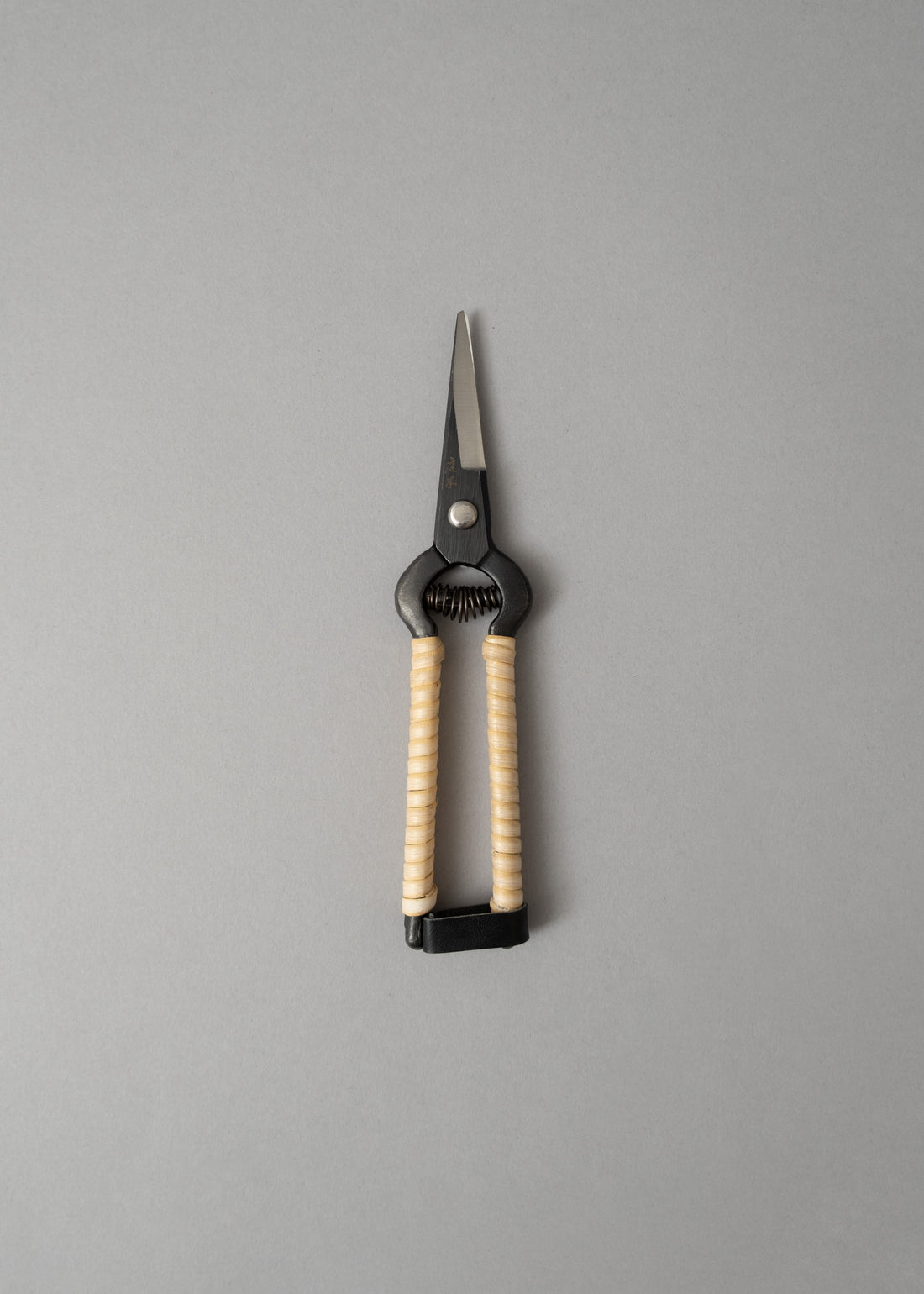
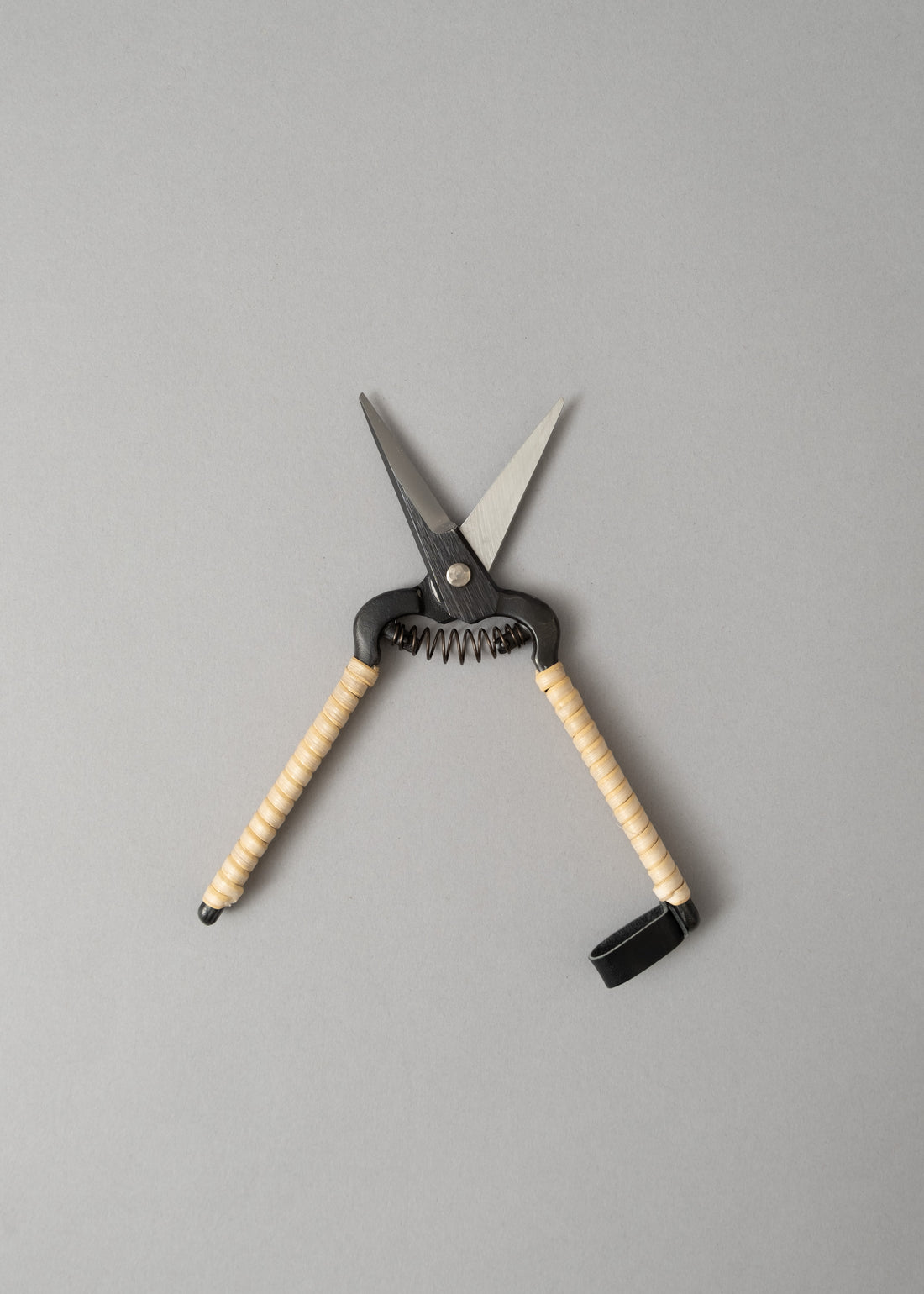
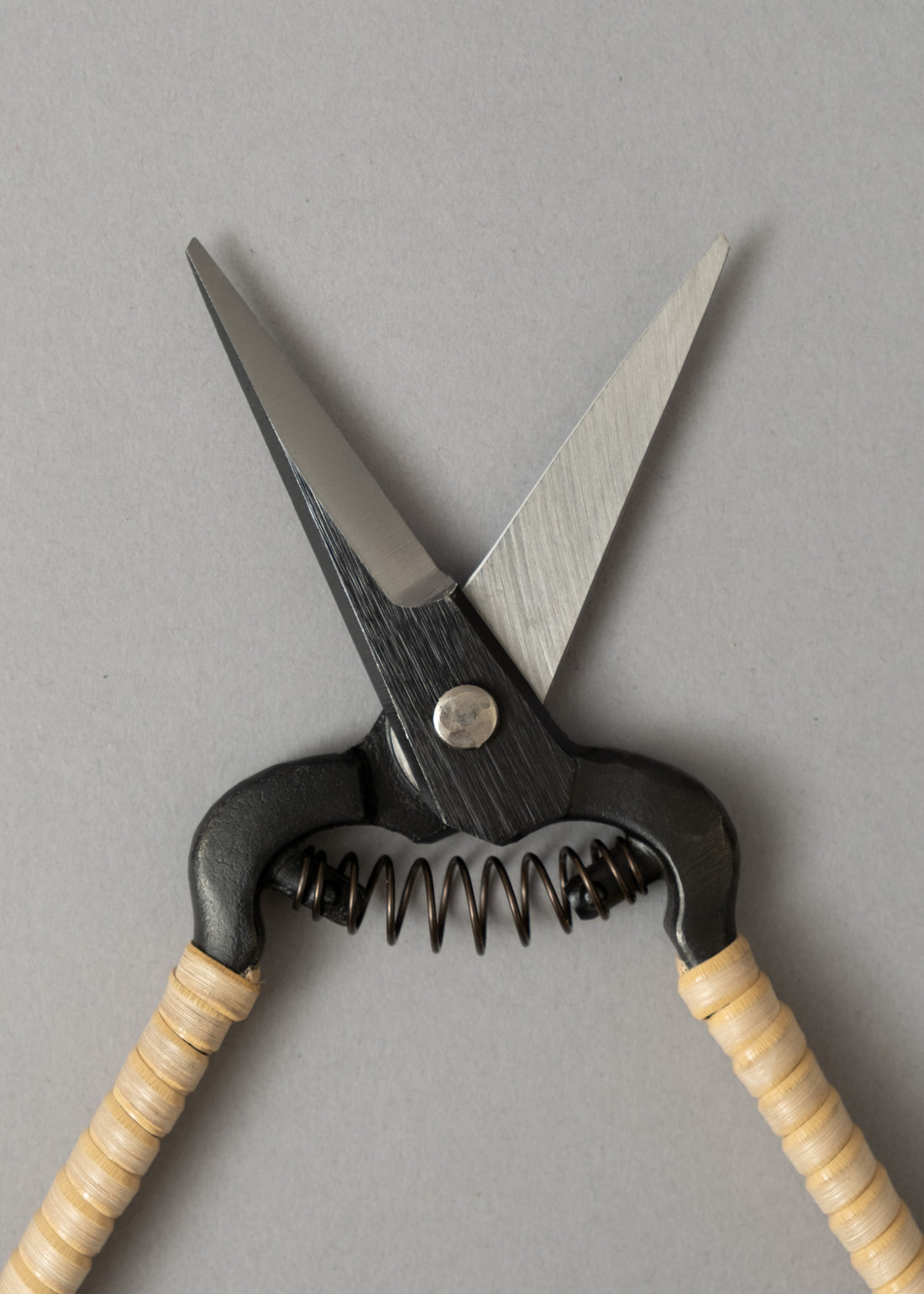
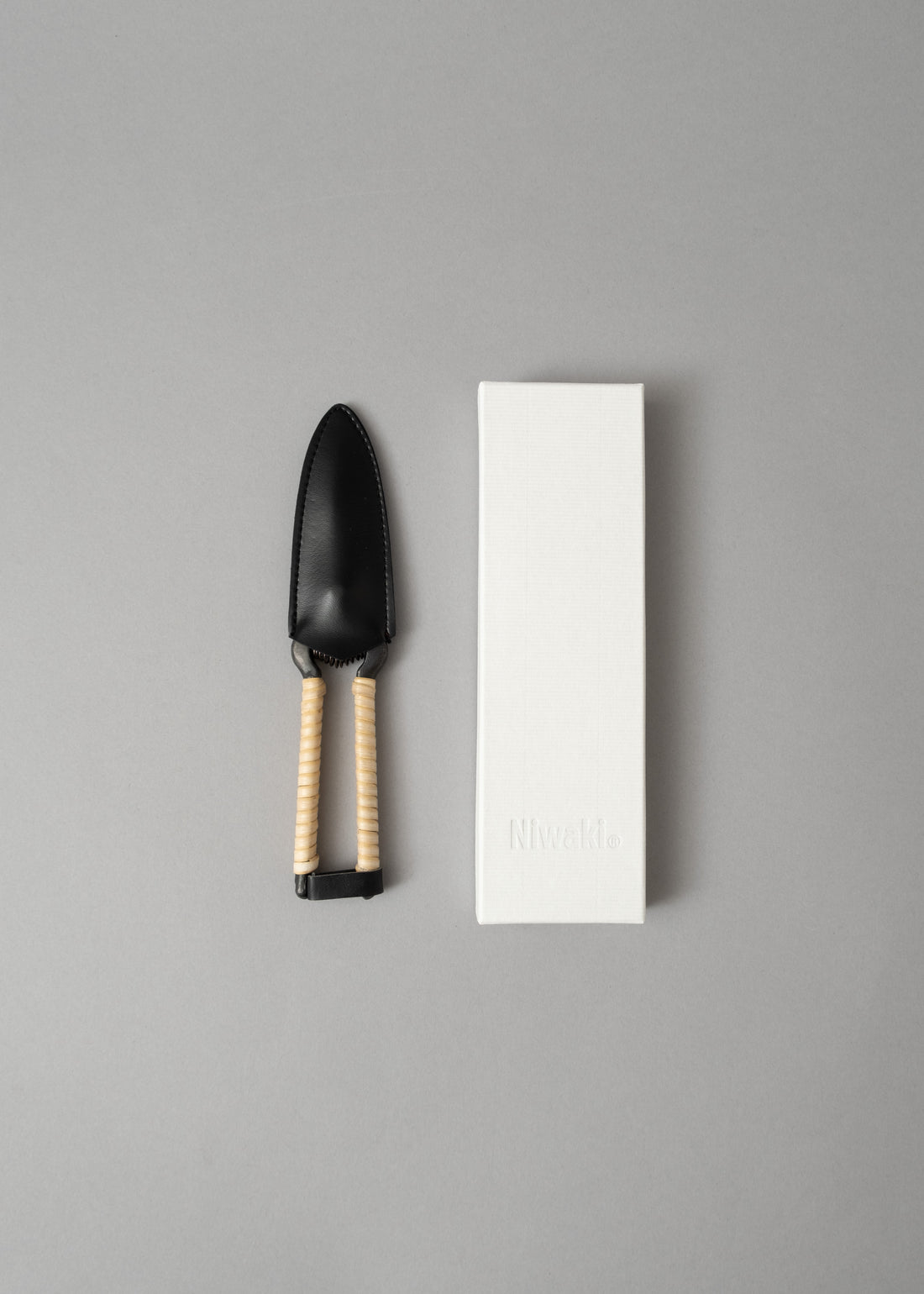
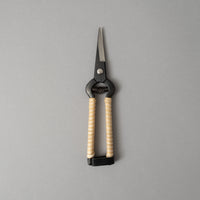
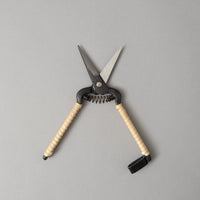
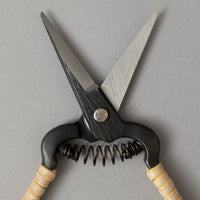
Hand-forged pruning shears/scissors made from high-quality carbon steel for cutting flowers, harvesting fruits and vegetables, and precision pruning.
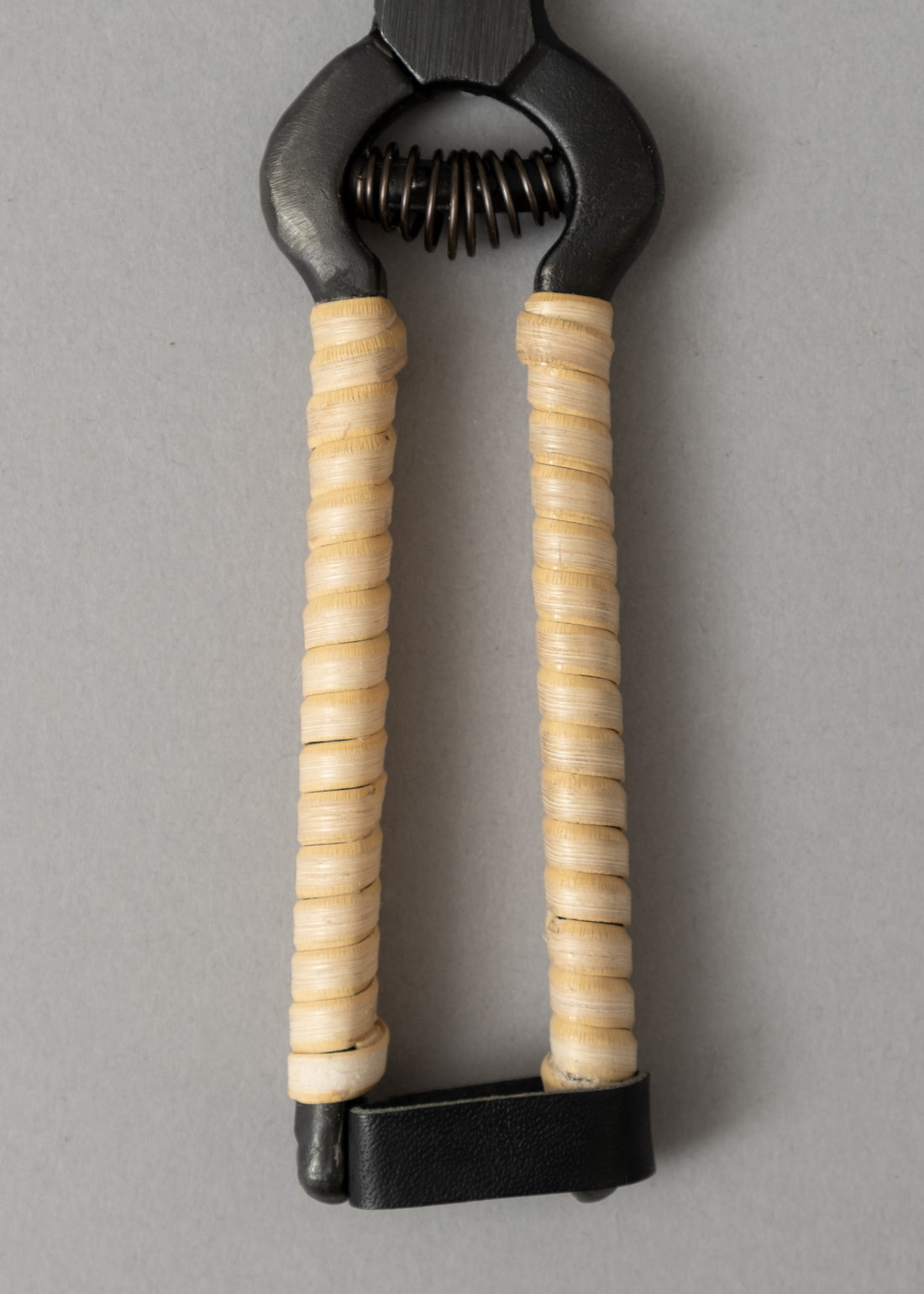
Excellent grip, rattan handles, very wear-resistant carbon blade, leather locking system at the end of the handles.
A magnificent tool that combines functional aesthetics and high-quality Japanese craftsmanship.
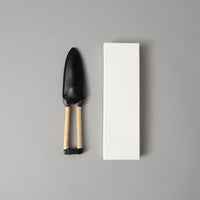
Handcrafted in Sanjo, Japan. Sold with case.
Niwaki tools, with a simple and effective design, created to last, are renowned for their exceptional quality.
- Weight: 135g
- Dimensions: 190 x 42 x 15mm
- Blade: 50mm
- Material: S58C carbon steel
- Maximum cut: Ø 5 mm
- Sold in a cardboard box with slipcase
- Made in Sanjo, Japan
If you wish to tighten the nut or disassemble the blades to facilitate sharpening:
- Loosen the hexagonal nut (it is a locking nut, so you do not tighten it to adjust the play of the shears)
- Unscrew the bolt, clean the separate parts - a great opportunity to sharpen your blade ;-)
- Screw the bolt back in, adjust the play and pressure using the bolt, not the nut.
- Put the locking nut back on.
To extend their exceptional lifespan, the tools are pre-treated by NIWAKI, with the metal parts oiled.
These protective layers will help prevent damage caused by rust and moisture.
To take care of your great tools, here are a few simple steps to follow:
- After use, wipe them with a cloth, store them in a dry place if possible.
- Protect the steel with our Niwaki Camellia oil or another protective oil to prevent rust.
- Clean dirt and rust off the steel with our Niwaki Crean Mate scouring "gum".
- For tools with a sharpened edge, sharpen them regularly with our whetstones.
After studying sculpture in London, Jake Hobson went to Japan to investigate the Japanese relationship with nature and the environment around them.
Jake discovered that Japanese gardens were not just like gardens. They were mountains, rivers, rocks, trees, and waterfalls. It was everything he loved; these gardens told stories and referred to real landscapes in Japan.
Niwaki literally means "garden tree," it is the art of tree pruning, quite different from that of Bonsai, as the roots are not pruned. But Niwaki is much more than that. It implies a philosophy, that of the landscape, of the re-creation of unique microcosms, the vision of a man and his connection, his understanding, his learning of nature.
But all this was possible thanks to the use of tools sharing the same philosophy, created slowly, simply, by hand, by local master blacksmiths with exceptional know-how.
For Jake Hobson, every tool has three crucial elements:
- good material, mainly high-quality carbon steel
- good design, generally as simple as possible
- good craftsmanship, passed down from generation to generation.
Japanese tools do not skimp on any of these elements: You feel the quality of the craftsmanship as soon as you have them in your hand, they simply and perfectly do the job for which they are designed, and they last, holding their edge for a long time, rewarding the user with years, decades, and even lifetimes of pleasure.